Five small UK-based environmental charities have received a share of £15,000 in funding, as the John Good Group announces the results of its latest Grants for Good round. Read on to find out who won, and the difference their projects are making in communities across the UK and internationally.
The Matthew Good Foundation is delighted to reveal the winners of the latest round of Grants for Good for the John Good Group. For the first time, the Group’s shortlist focused on environmental causes. Five charities and community groups will share £15,000 to protect and restore the natural world.
John Good Group’s first themed round
Until now, every John Good Group round has been open to all causes. However, as the programme grows and more partner businesses offer funding to our applicants, we can now run themed rounds while still creating opportunities for everyone who applies.
The John Good Group chose to use this round to shine a light on the environment. It gave employees the chance to discover organisations they might not usually come across, and helped make sure the Group’s giving across the year reflects the full range of needs, for people and for the planet.
Other applications are still being considered, both for our other partners’ funding and for future John Good Group rounds. As new businesses join, there will be even more opportunities for charities to be shortlisted. Grants for Good remains open to causes of every kind.
This round’s winners
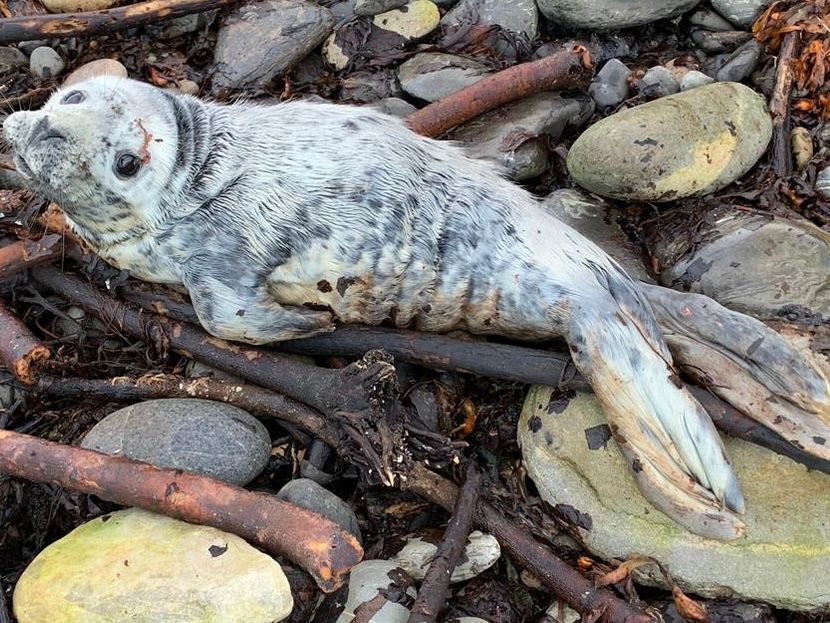
🥇Caithness Seal Rehab & Release – £5,000
🥈LionAid – £3,500
🥉Ocean Buffer Project – £2,500
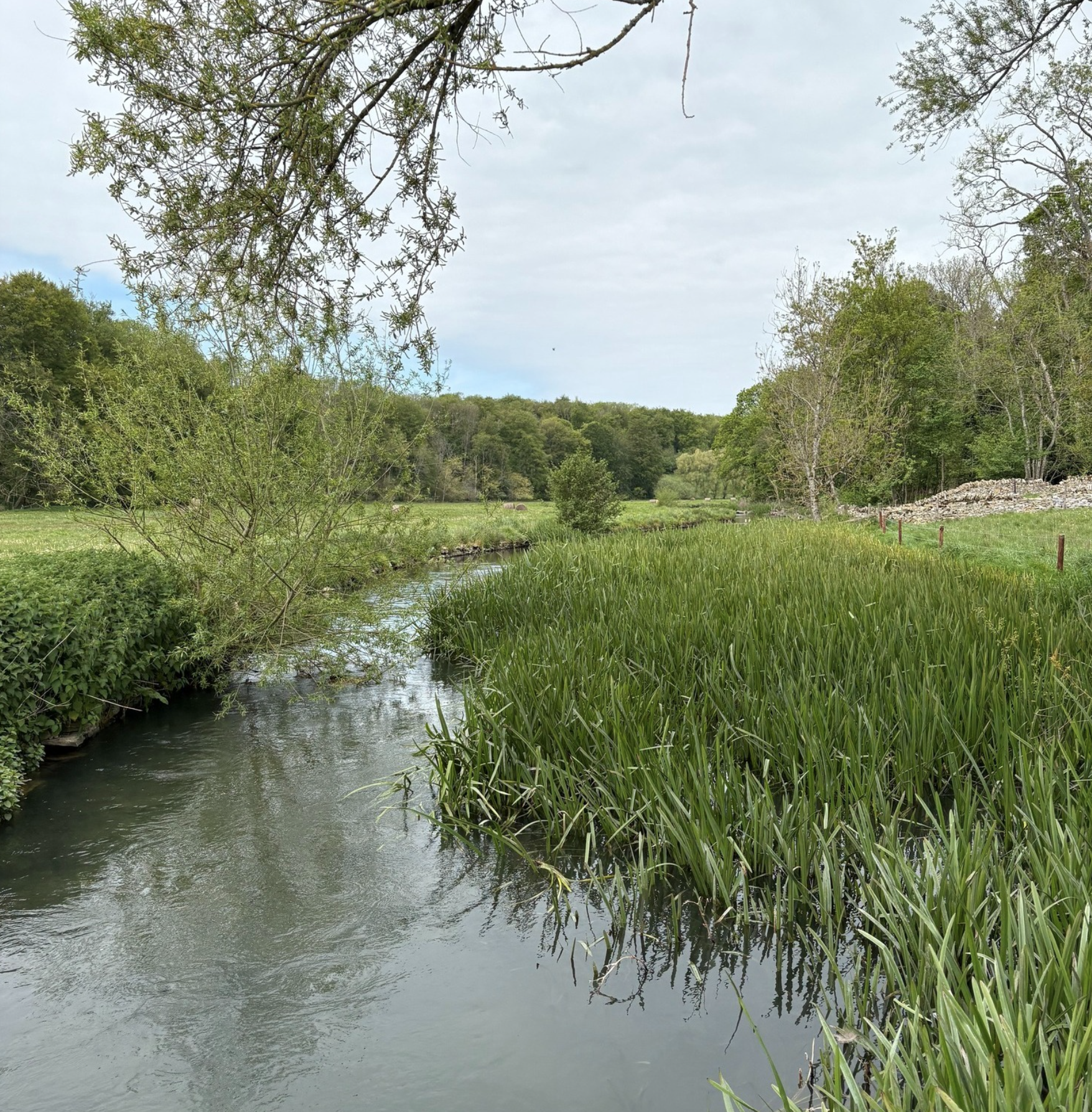
🏅Cotswolds Rivers Trust – £2,000
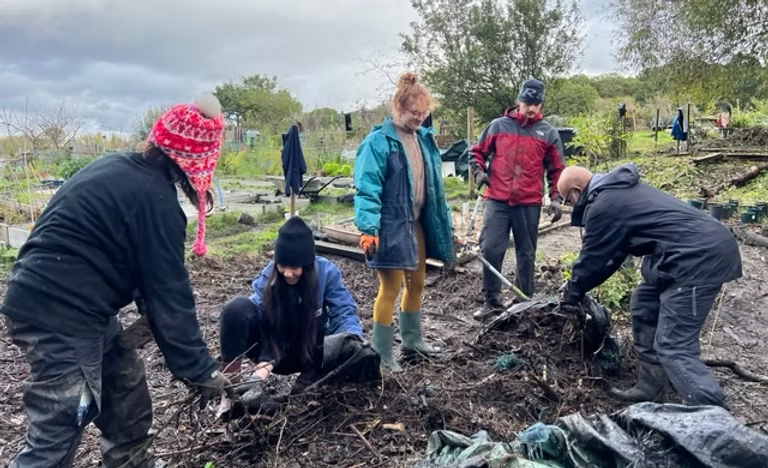
🏅Guardians UK – £2,000
To read more about these five causes, click the links above.
What Our Winners Are Saying
“Thank you so much for shortlisting us. We are truly honoured and deeply moved by this recognition. As a small, volunteer-run sanctuary in the far north of Scotland, every gesture of support means the world to us. Since opening our doors in 2022, we’ve rescued and rehabilitated 130 seal pups and released 121 back into the wild. Your support would help us continue our vital work. Together, we can make a lasting impact on these incredible marine mammals and the health of our coastal ecosystems.”
Clare Boardman – Founder & Centre Manager, Caithness Seal Rehab & Release
How Grants for Good works
The Matthew Good Foundation runs the programme for partner businesses, including our largest partner, the John Good Group. It aims to make funding more accessible to small non-profits with an annual income under £50,000. These organisations often struggle to access traditional grant funding, so we designed a simpler, more inclusive process.
Charities apply through a short form, sharing their mission and impact. From there, employees vote to decide how to share the funding among the shortlisted finalists. Because employees choose the winners, funding goes to causes that genuinely resonate with the people voting for them.
Since the programme began, Grants for Good has awarded £293,000 to 109 grassroots charities, voluntary groups and social enterprises across the UK. Even small grants can lead to big change, and this round shows how much difference they can make for nature and communities alike.
Apply for the Next Round
Are you part of a small charity, voluntary group or Community Interest Company with an annual income under £50,000? We’d love to hear from you. Grants for Good accepts applications all year round, so there’s no need to wait for a round to open.
Applications are open to all causes, not just environmental ones. Visit the Grants for Good page to check your eligibility and apply.
Partner with Us
Grants for Good isn’t just for the John Good Group. We work with other businesses looking to build their own community support programmes. It’s fully managed and completely free, with 100% of funding reaching vetted grassroots charities.
Get in touch to find out more, or read more about partnering with us.