

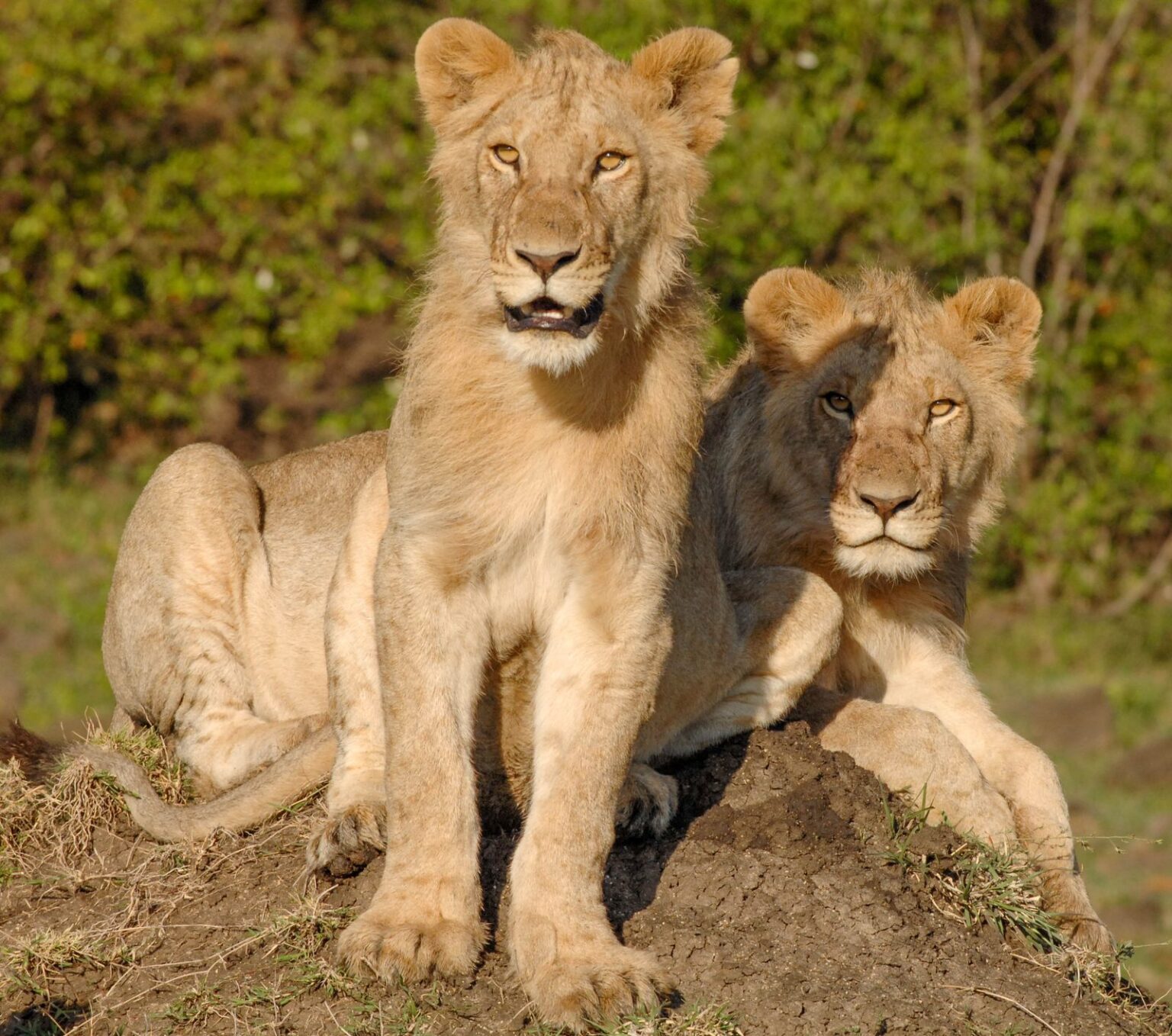
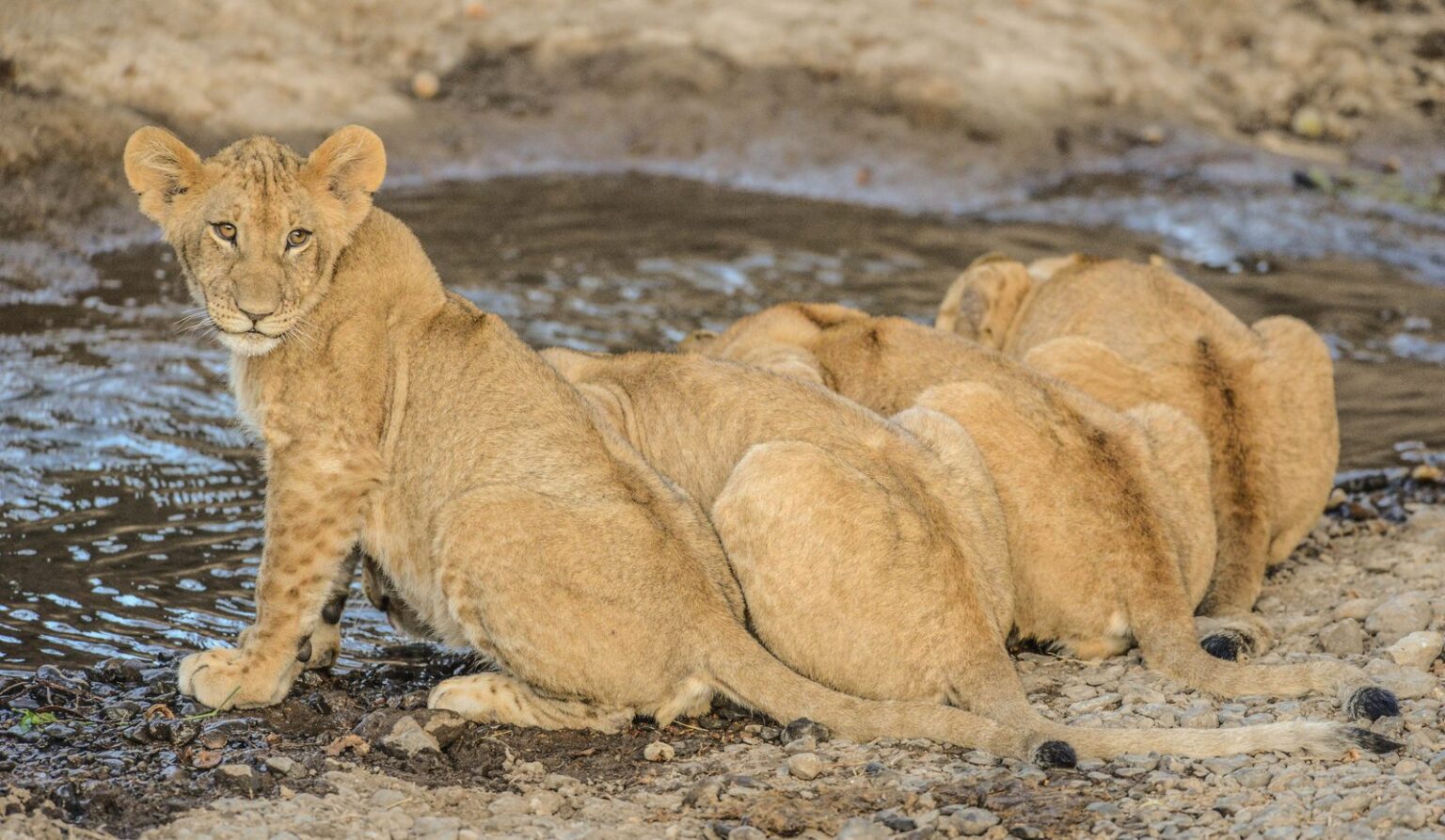
Lion conservation in Kenya depends on the people who share land with lions. An estimated 13,000 wild lions remain in Africa, so local choices matter.
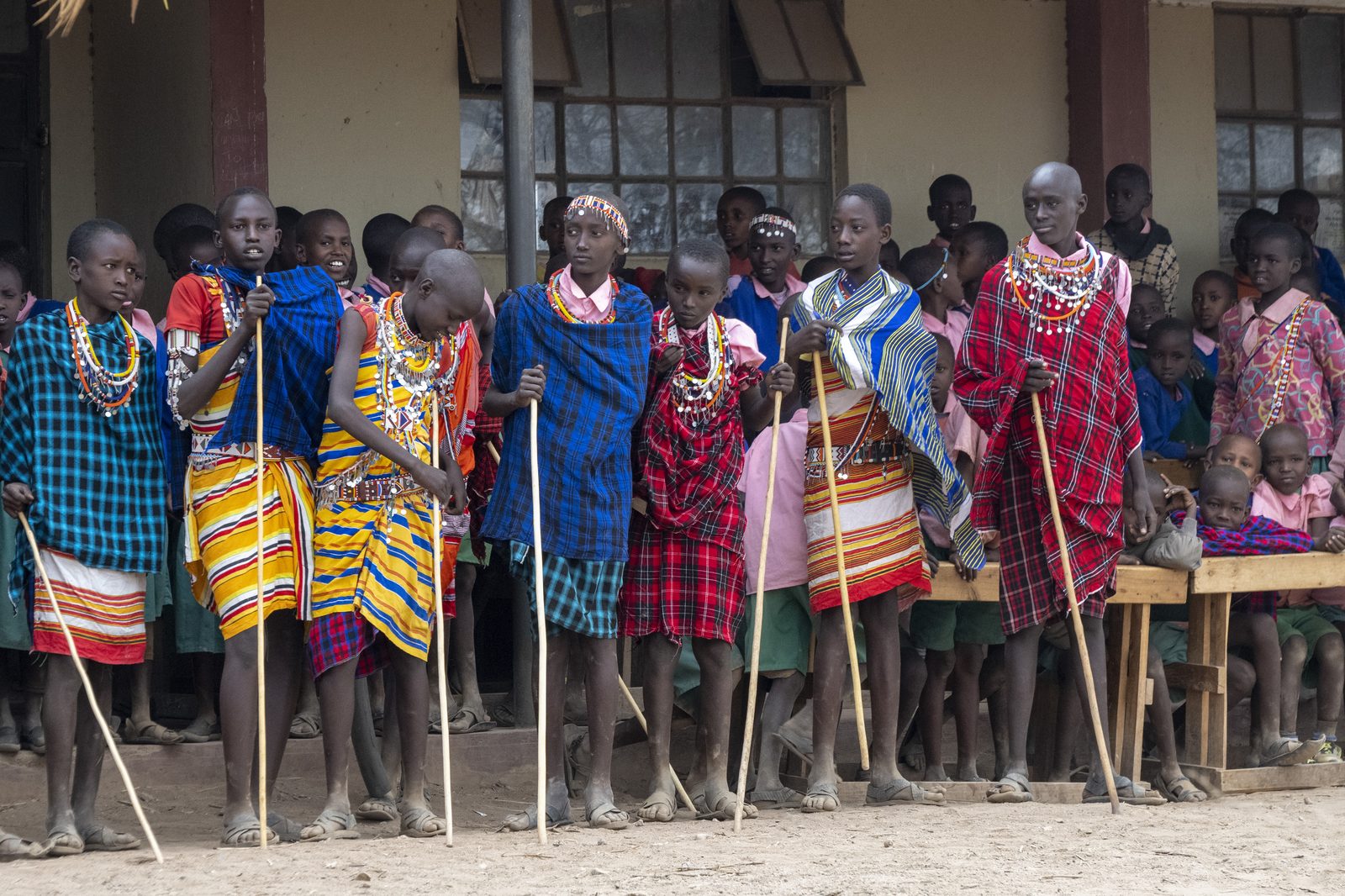
Near Amboseli National Park, Maasai families measure their wealth in livestock. Their villages, called manyattas, sit on dark, open savannah. At night, lions can gather at the fence, and frightened animals may break out and become easy prey. When this happens, families lose wealth, and some communities retaliate against the lions.
A solution led by the community
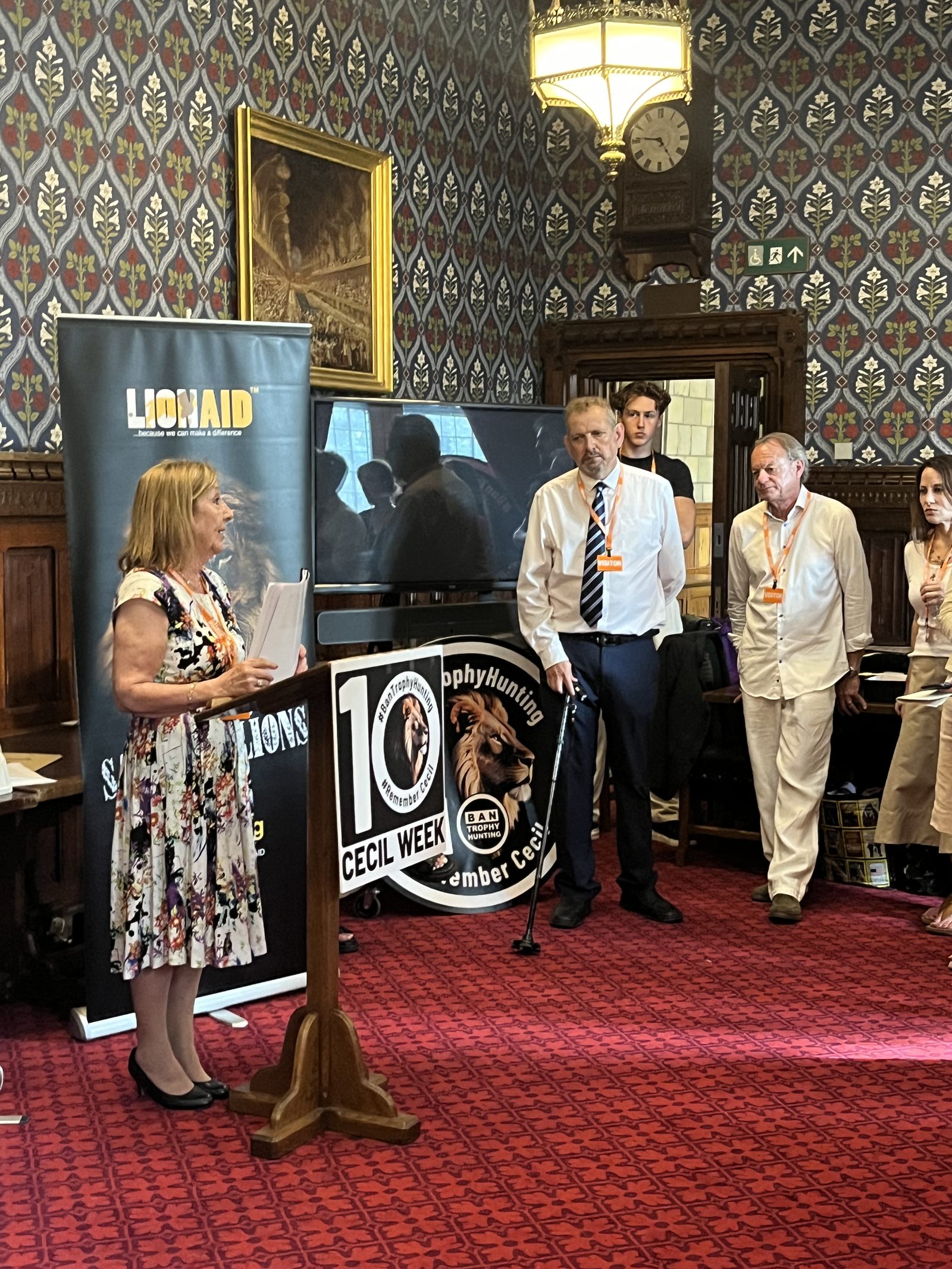
The LionAid charity was established in 2010 to reverse the decline of wild lions. Paying communities for lost animals proved ineffective, because payments arrived slowly and rarely matched true value. So in 2022 LionAid developed a new project that works with local needs.
LionAid fits solar-powered flashing lights around the edge of each manyatta. The lights make it look as though people are awake, so lions stay away. Every home also gets a solar light, replacing kerosene lamps.
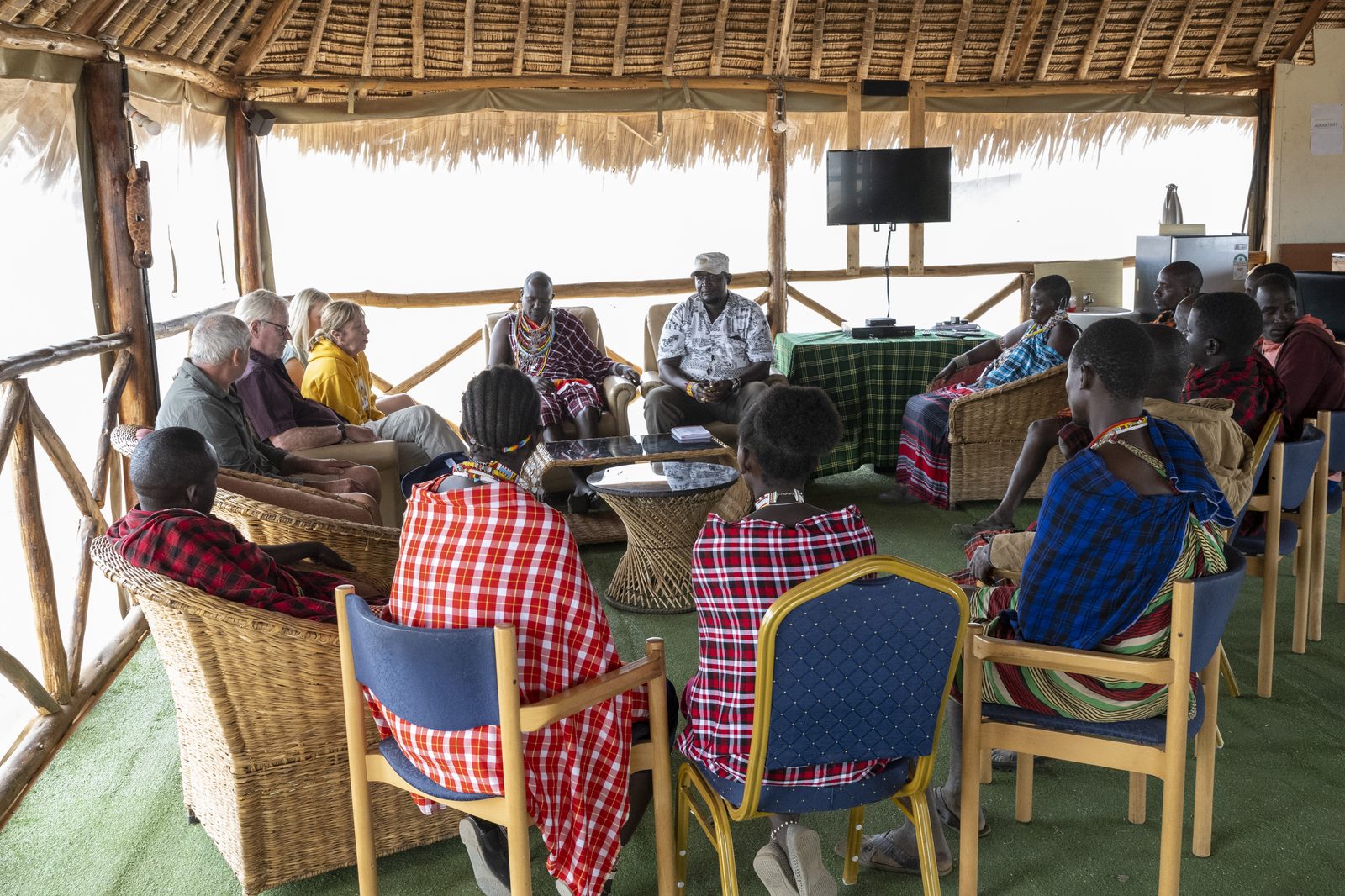
In return, each household gives two animals to a shared insurance herd. If a lion kills an animal, a committee of Maasai elders checks the claim, and the family gets a replacement straight away. The insurance herd now numbers well over 500 animals and supports all 58 villages in the Merrueshi ecosystem.
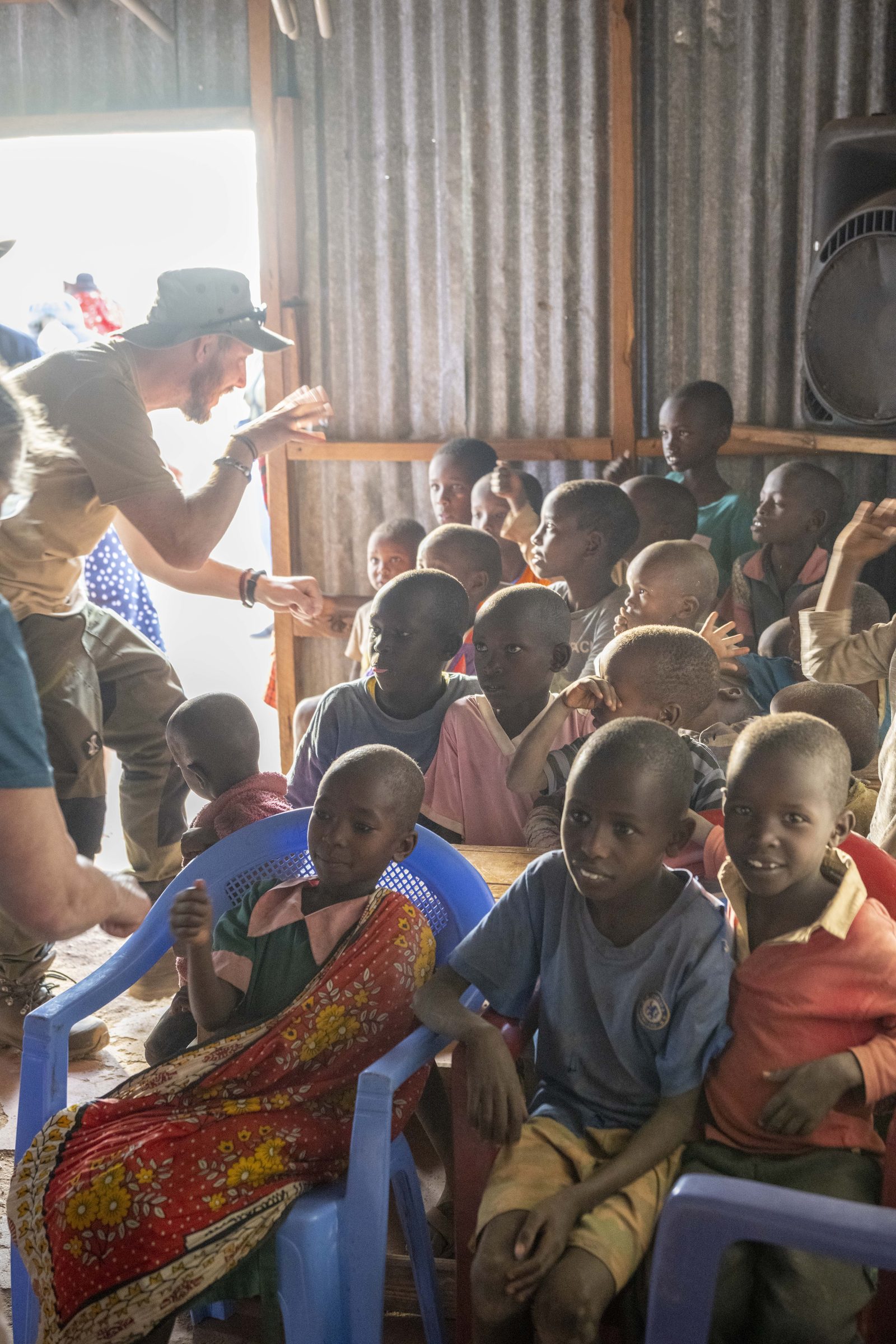
LionAid reports that retaliatory lion killings in the project area have dropped to zero since 2022. Lions and people are now safer, and their wealth protected. But LionAid also reports wider benefits. Pupils are doing better at school, because homes now have light to study by. Also, general health has improved with a reduction in cataracts due to the removal of kerosene lamps.
How the grant will help
With funding from John Good Group, LionAid will be able to equip more of the 58 manyattas in the area with lights and insurance herds. The grant could also help pay for elders’ meetings and for community facilitators, who help villages work together.
As insurance herds and community confidence grow, LionAid hopes that the project will become self-sustaining. Communities will eventually be able to start selling spare animals from the insurance herd. This can then fund the same lighting approach in new manyattas.



Latest Project Updates

September 2026
Grants for Good Finalist
LionAid has become one of the top five finalists in the latest Grants for Good round, funded by the John Good Group, and will receive a grant between £2000 and £5000 after employees at the John Good Group have voted on their favourite causes.