
Grants for Good

Funding for small charities and non-profits
Grants for Good provides unrestricted funding to small and growing local charities, voluntary groups or social enterprises. We support those making a big impact on people, communities or the environment. Non-profits apply to us, and if successful, flexible grants of £2,000 – £5,000 are funded by our business partners. To be eligible for our small charity funding, applicants must:
- Be a UK-based community group, charity, voluntary group or social enterprise
- Have an annual income of less than £50,000.
- Have a bank account in the organisation’s name.
This programme is very competitive, receiving up to 1000 funding applications in each round. To find out more about eligibility and making the best of your application before applying, please read our eligibility guidance.


An easy application process
Starting a new charity or project can be hard work, with a steep learning curve. Finding small charity funding from the right funder often means navigating demanding application processes and inflexible funding restrictions. The Grants for Good programme is different. Our business partners fund unrestricted grants, so you can use them for any of your organisation’s costs, including core running costs.
We’ve also kept our application process short and simple – ideal if you’re applying for funding for the first time. Monitoring is light-touch too. We follow up after your grant, but we only ask for simple, easy-to-track information – not heavy-duty impact reports. Because we receive a lot of applications, we’d recommend reading our advice section. It’ll help give your application the best chance of being shortlisted.
How it works
Applications are considered on a quarterly cycle. We award a minimum of one round per quarter, sharing £15,000 in small charity funding between five shortlisted projects. As more businesses join the programme, we’re able to run more rounds and support more charities and non-profits each year.
Shortlisted projects receive one of the following amounts, depending on the result of our partner businesses’ employee vote:

1st
PLACE
£5,000
2nd
PLACE
£3,500
3rd
PLACE
£2,500
4th & 5th
PLACE
£2,000
When are grants awarded?
You can apply all year round. Your application will be considered in the next available funding round. Our four application windows run as follows:
December 16th – March 15th
March 16th – June 15th
June 16th – September 15th
September 16th – December 15th
Because we receive a lot of applications, our small team can take time to process them. We can’t commit to an exact award date, but we aim to let you know the outcome within three months of your round’s deadline.
How each funding round works
Step 1: Longlisting
At the end of each application window, the Grants for Good panel processes applications into a longlist. This longlist feeds into the funding rounds that follow. We’ll contact longlisted organisations for the next stage.
At this stage, we get to know your organisation a little better. We’ll approach your named referee for a reference, hold a short, informal meeting with you (usually by video call) to discuss your project, and carry out our due diligence checks.
Step 2: Shortlisting
The Grants for Good panel decides on the final five projects to receive a share of £15,000. If you make the shortlist, we’ll let you know you’ll be awarded an amount between £2,000 and £5,000.
If you don’t make the shortlist, we’ll email you to let you know. You won’t need to reapply, because your application stays in the pool for future rounds. However, you’re welcome to apply again later if your project requirements change and you’re still eligible.
Step 3: Employee Voting
We’ll use everything we’ve learned about your project to build a feature page on our website, which we’ll send you for approval. This page is shared with employees at our partner businesses, who vote for their favourite project. Voting takes place internally, and results aren’t visible until the vote closes.
Step 4: Results
As soon as the vote closes, we’ll let you know the outcome and transfer your funding award. The Foundation and our partner businesses will also announce the shortlist and winners on their public platforms.
Step 5: After the results
After the results are announced, your project page stays live on the Grants for Good section of our website. For many charities, this provides valuable online presence and a credible public endorsement. We’ll also contact you a few times over the following years to check on your progress and impact. This helps us measure the impact of our funding, and we also love helping you share any good news from your organisation.
Making the most of your small charity funding application
Applying is quick and easy, but you’ll still want to make your application stand out – we receive a lot of applications in every round. Here are some tips to help your application shine:
Demonstrate innovation
Grassroots initiatives like yours are often the first to spot a community’s emerging needs, because you’re closest to the issue. So if your non-profit is finding new and proactive ways to solve problems, it’s more likely to stand out and be shortlisted for a grant.
Prove scalability
We target funding at small charities because of the potential they have to grow their impact. We’re as excited about your big aims as you are. Tell us what you’re working towards, and show us the need for your charity to grow – this will help push you up the shortlist.
Show strong leadership
Don’t be afraid to tell us why you’re the right person to make this project succeed. Maybe you have a personal reason for starting it, or years of experience that make you effective at what you do. Whatever it is, let us know – when we can see effective leadership, your application stands out.
Tell a compelling story
Charities often begin with authentic, personal experiences, so don’t underestimate the power of your own story. When we can see why your charity began and how it’s developed since, we can see the strength of your cause too.
Highlight the impact
Many funders ask for detailed impact data, because they need to prove the return on their investment. Grants for Good doesn’t require complicated statistics, but the more clearly we can see your expected outcomes, the better. Be as specific as you can, using figures that relate to our small charity funding amounts (£2,000–£5,000). For example, if helping one person costs £100, a £2,000 grant could help 20 people, and £5,000 could help 50.
Ready to apply?
Click the button below to head over to our online application form. Applications can’t be saved and returned to later, so make sure you’re ready to complete it in one go. We’ll send you a copy of your application, and any updates, to the email address you give us.
Latest Grants for Good Recipients

Ocean Buffer Project
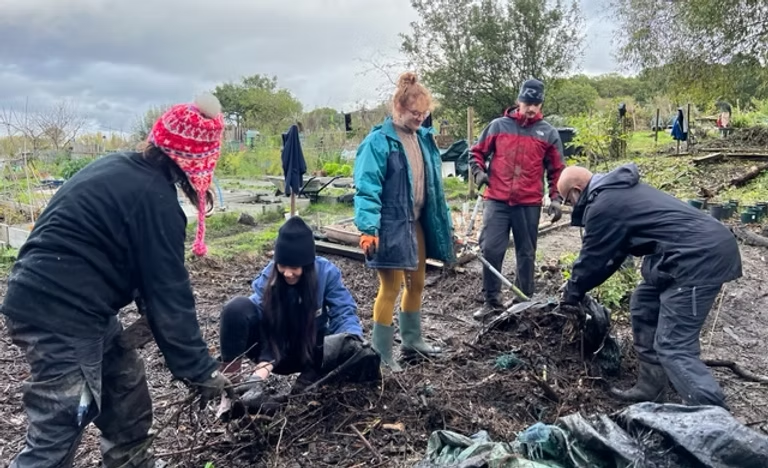
Ocean Buffer Project is a community-led environmental group in Cornwall. Volunteers grow marine microalgae in small, off-grid "mini ocean" systems, capturing carbon dioxide from the atmosphere as it grows. They also build the tanks and monitor the algae, turning ocean science into something anyone can take part in. In
Guardians UK
Guardians UK is a woodland charity working in Southeast London, West Sussex and Ceredigion, Wales. It grows native trees, trains people to care for threatened forests and brings volunteers together to plant them. Its Ceredigion site is turning a Sitka spruce plantation into native woodland. In autumn 2026, the

LionAid
LionAid is a small UK charity working to protect wild lions in Africa. In the Amboseli area of Kenya, it helps Maasai communities keep livestock safe from lions using solar lights and a shared "insurance herd". Since the project began in 2022, LionAid reports that no lions have been
Cotswolds Rivers Trust
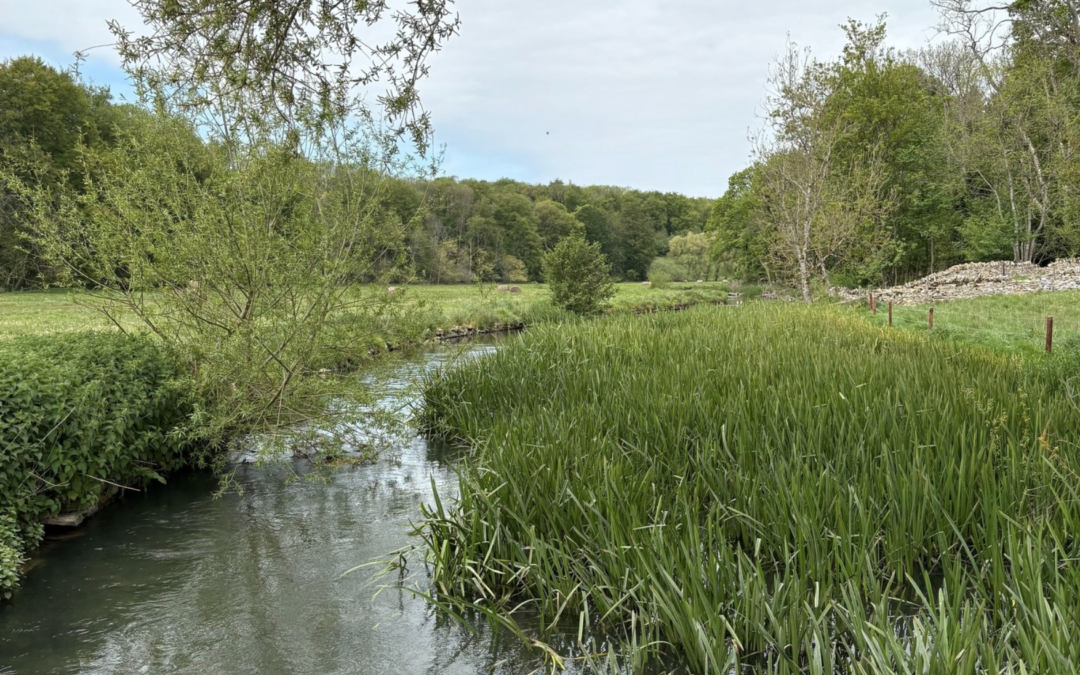
Cotswolds Rivers Trust is a small charity working to protect and restore rivers across the Cotswolds, including the upper Thames. Through its Streamlining the Infant Thames project, local people learn to test water quality and spot signs of pollution. Around 20 volunteers along the river now help track its
Caithness Seal Rehab & Release
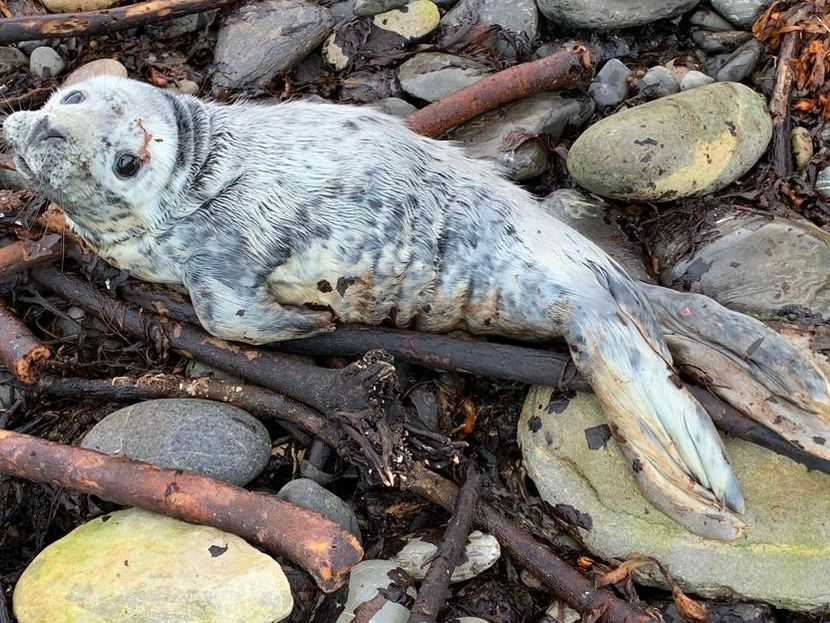
Caithness Seal Rehab & Release is a volunteer-run seal hospital in the far north of Scotland. It rescues sick, injured and abandoned grey and common seal pups, cares for them and returns them to the sea. Since opening in 2022, the team has rescued 130 pups and released 121
The Mastectomy Tattooing Alliance
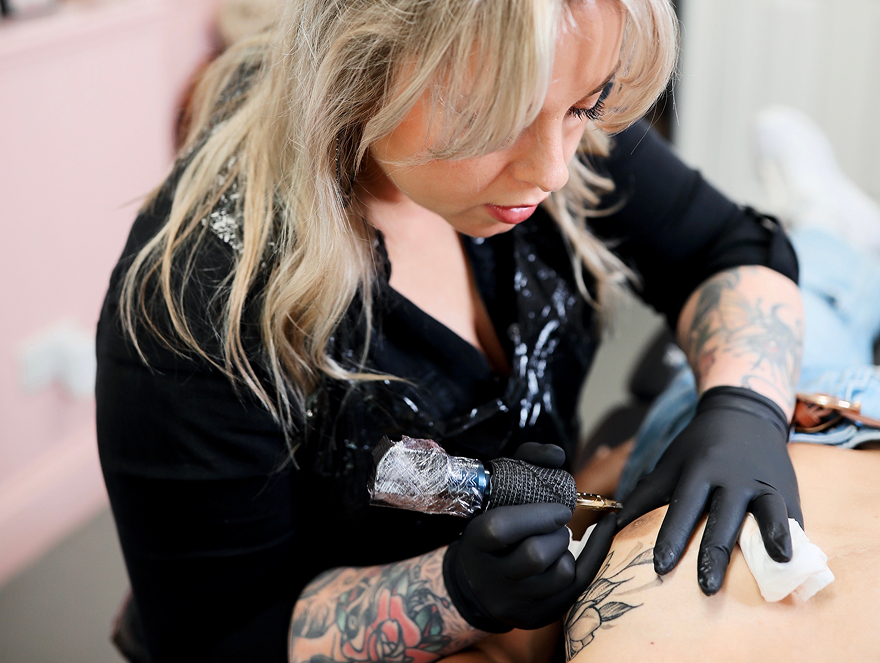
The Mastectomy Tattooing Alliance supports people recovering from breast cancer, BRCA-related surgery, or gender-affirming surgery. Founded by tattoo artist Tanya Buxton in Cheltenham 2021, MTA helps people access high-quality areola and mastectomy tattoos. It does this through a voucher scheme and a growing network of vetted artists across the
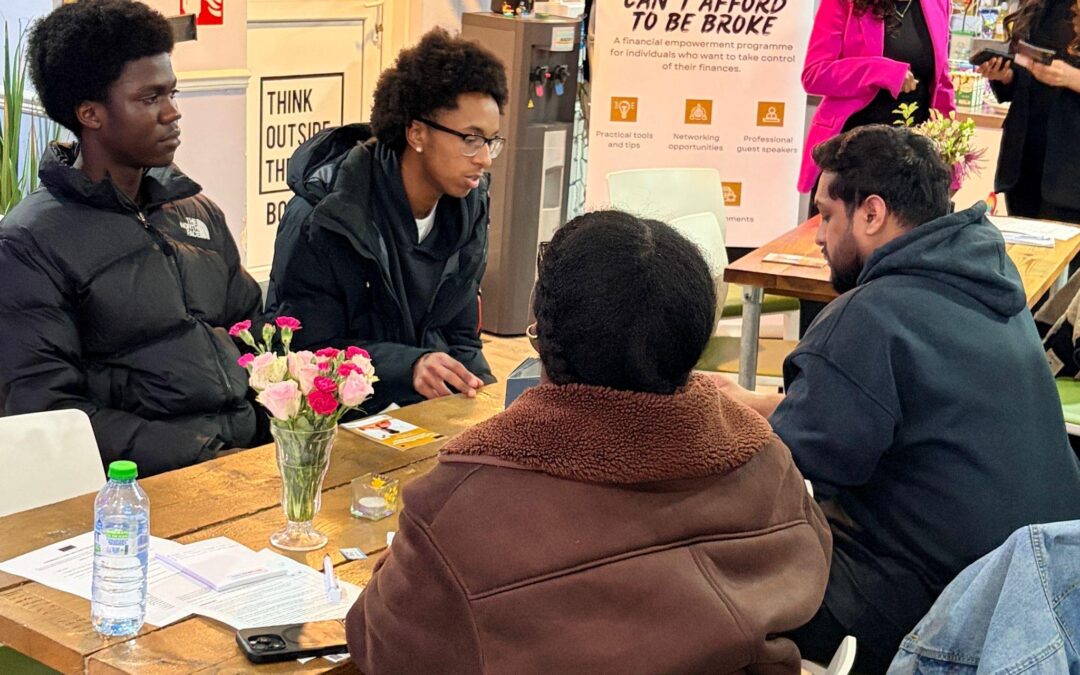
The MoneyHeave Community Project
The MoneyHeave Community Project is a grassroots organisation helping young adults and underrepresented communities take control of their finances. Founded by finance professional Roneish Myers, MoneyHeave runs practical workshops on budgeting, debt and saving. These sessions build skills and confidence in places where financial advice is often out of
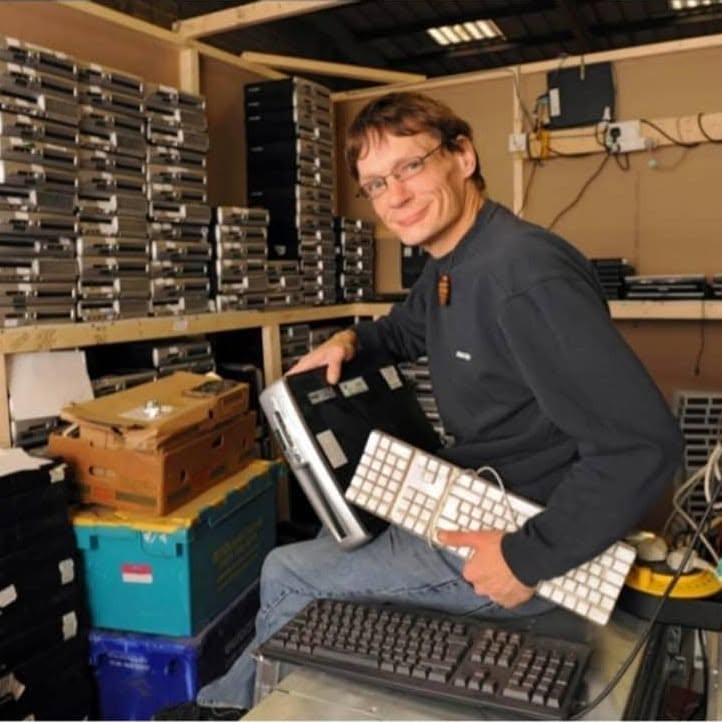
Recycle-IT!
Recycle-IT! is a community interest company based in Bolton, tackling digital exclusion and e-waste by collecting, refurbishing and redistributing IT equipment to people and community groups who need it most. Since launching, the organisation has diverted over 270 tonnes of e-waste from landfill, redistributed more than 3,500 devices, and
Otterhead Estate Trust
Otterhead is an off-grid nature reserve on the Somerset/Devon border, south of Taunton, freely open to the public. The Otterhead Estate Trust manages much of the site, maximising biodiversity and wildlife habitats, while restoring heritage features. The Forest School, based at the Coach House, supports children with complex needs.
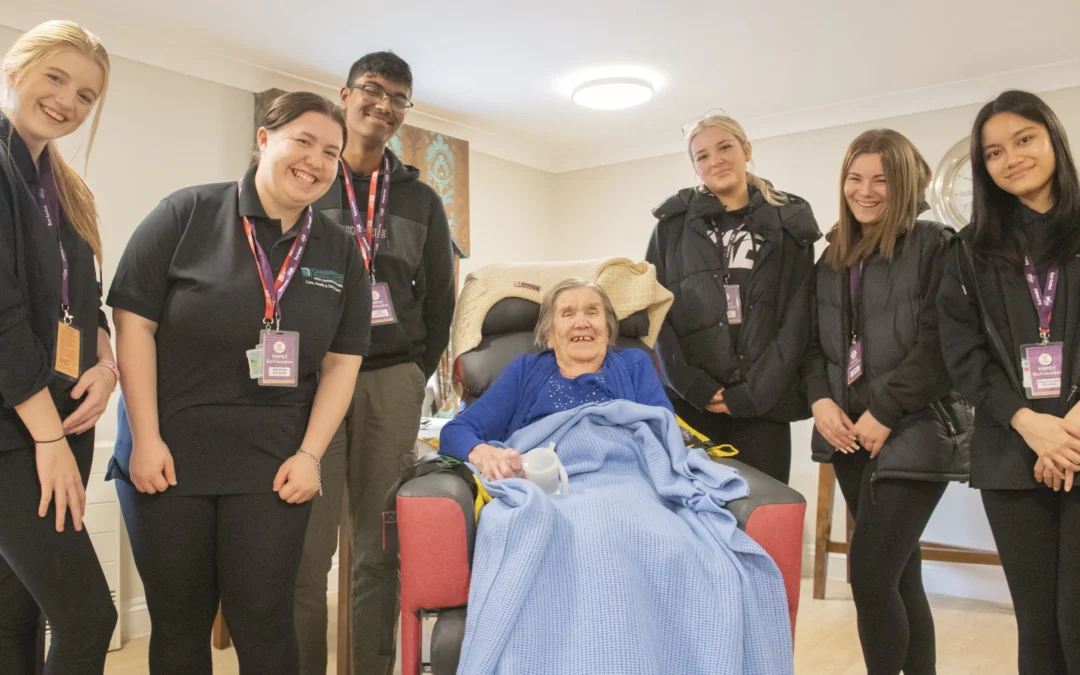
YOPEY
YOPEY is a small charity in the East of England that tackles two problems at once: loneliness among care home residents living with dementia, and negative stereotypes of teenagers. It trains young volunteers aged 14 to 19 to visit residents weekly, offering conversation, music and shared activities. Residents build
FAQs
Projects that apply for small charity funding through Grants for Good are always unique projects with their own set of circumstances – so we know you will probably have some questions! We’ve tried to answer the questions we get most often below, but if you still don’t have your answer, please email us on info@matthewgoodfoundation.org
Is my project likely to be funded?
We’re most likely to fund projects that:
- Bring fresh, innovative ideas to life
- Create lasting, meaningful impact
- Focus on people, planet, or both
- Show strong leadership – through lived experience, knowledge, or commitment
While we welcome a wide range of applications, Grants for Good is very competitive, receiving up to 1000 grant applications in each round. For this reason, projects that are less likely to be shortlisted include:
- Equipment for sports or music clubs
- Projects linked to major organisations (e.g. Brownies, Scouts)
- Seasonal events (e.g. summer fetes or Christmas lights)
- Day to day costs of community centres/village halls
- Day to day costs of food banks
- Residents Associations
- PTAs or ‘Friends of’ school groups
- Work that is the primary responsibility of statutory bodies
If your work falls into one of these areas, you should only apply if you feel your project very strongly aligns with our priorities and has the potential for broader, lasting impact. We strongly recommend reading our bid writing tips article for further advice before applying. Every application is reviewed with care.
How can I increase my chances of being shortlisted?
Firstly, make sure you have read all our eligibility criteria and can provide the evidence required. Secondly, read our bid writing tips article for tips on how to make your application stand out. Finally, you may wish to look at some of our previous shortlisted organisations to get an idea of what a successful project looks like.
Is there any type of organisation that is not eligible?
Grants for Good does not grant funds to:
- Individuals
- Activities promoting political or religious beliefs.
- Sponsorship / fundraising events
- Amateur or private sports clubs
- Organisations with an income of more than £50,000 in the last 12 months
- Regular Ltd companies and sole traders
- Organisations registered outside the UK
Do you support projects outside of the UK?
We cannot support organisations registered outside of the UK, but we actively encourage applications for UK registered charities that are making a difference to people and planet with overseas operations.
Are CICs eligible?
Yes, Community Interest Companies are welcome to apply for Grants for Good.
Do you make grants to individuals?
Sorry, we do not make grants to individuals. Your application must be on behalf of a community group, organisation or charity.
Do you make grants to sports clubs?
We do not accept funding applications from private or amateur sports clubs, unless they meet one of the following criteria:
- The club helps those who may otherwise be excluded from mainstream sport due to cost, disability, lack of resource etc.
- The project the club is applying for extends the offering of the sports club to offer additional facilities that are for the wider benefit of the local community or environment
Does my organisation have to be a registered charity?
Whilst it is really helpful to be a registered charity, we know that organisations like yours are at the start of their journey or may not be in a position to register. Unregistered organisations are very welcome to apply for this small charity funding so long as they meet all our criteria. You must also have a bank account in the name of your organisation as we cannot provide funds to personal accounts.
Do I need a bank account?
Yes, you must have a bank account in the name of your organisation. We cannot provide funds to personal accounts.
What if I don't have a full year of accounts?
If you don’t have a full year of accounts because your organisation is new, please let us know what income you have achieved so far in your first year and explain more in the notes section.
Have you received my application?
You should receive an automated email after submitting your application, confirming that your application was received. Please make sure you check your junk folder before getting in touch. If you did not receive the email, please email us letting us know when you applied and we will let you know if we received your application.
Can I get a copy of my application?
Our system will send you an automative confirmation email. This will contain a copy of your application.
What is the result of my application?
Emails are sent to all applicants, letting them know their result. We aim to do this within three months of each deadline – but it can sometimes take our small team a little longer. Your original application confirmation email will let you know when you should hear from us by. Please make sure you have checked this before contacting us, or check the “when is it awarded” section above.
Can I apply again if unsuccessful?
We receive hundreds of small charity grant applications in each round, and many fantastic projects don’t make our shortlist. However, all applications from eligible organisations will remain in our applications pool and may be shortlisted on a future round, so you do not need to reapply. The only time we recommend reapplying is if the needs of your project change significantly and you would like us to consider your application with the new information.